The “21 days to build a habit” claim is so frequently made that it is regarded as accepted knowledge. It isn’t. It dates back to a 1960 book written by a plastic surgeon that was not based on a controlled study but rather on his own casual observations. The actual research indicates something much smaller than most people anticipate and tells a more helpful, if less catchy, story.
The Real Number Is 66, and the Real Lesson Is Different
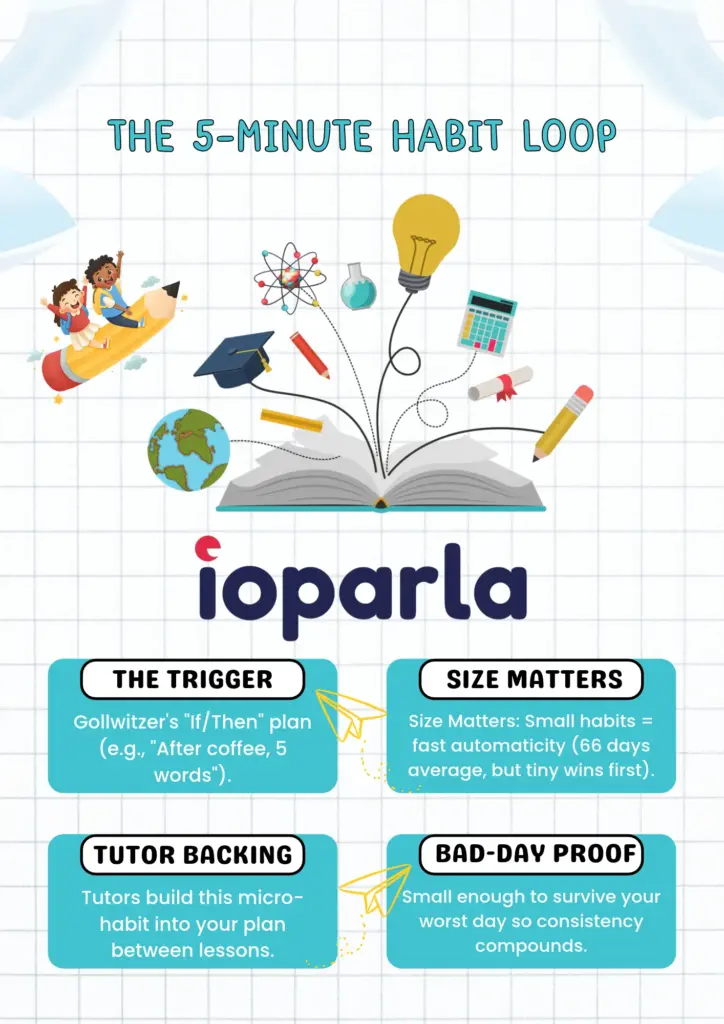
Researchers Phillippa Lally, Cornelia van Jaarsveld, Henry Potts, and Jane Wardle at University College London monitored 96 participants for a period of twelve weeks in 2010 as they attempted to develop new daily routines, such as taking a quick walk or eating a piece of fruit at lunch. Participants reported how automatic the behavior felt on a daily basis. The more intriguing finding was the range, which ranged from 18 to 254 days, depending largely on how simple the behavior was. The average time to reach a plateau of automaticity was 66 days, not 21. Easy, low-effort tasks quickly became automatic. Those that were difficult or demanding took months. “Expect 66 days and give up before then” is not the lesson. It’s that the habit’s size dictates how quickly it develops. Simple, little victories.
Why Tiny Beats Ambitious
After years of researching this pattern, Stanford researcher BJ Fogg contends in his behavior design work that most habits fail because people set unrealistic expectations for themselves rather than because they lack motivation. A goal such as “study French for an hour every day” requires you to be motivated for an hour on your bad days as well as your good ones. Goals such as “review five French words” don’t work. Every day, motivation varies greatly; a genuinely small action doesn’t require much of it to be completed, and repetition—rather than size—is what eventually develops automatic behavior. The real justification for a 5-minute daily habit over a 45-minute weekly lesson is that five minutes is short enough to get through a difficult day, and the only kind of habit that builds up over months is one that can withstand bad days.
The Missing Piece Most People Skip
According to psychologist Peter Gollwitzer’s research on implementation intentions, attaching the new behavior to a specific, preexisting cue—a “if this, then that” plan—instead of a vague intention to do it “sometime today” is the final component that transforms a good intention into an actual habit. According to Gollwitzer’s research, individuals who created a specific plan—for example, “after I pour my morning coffee, I’ll review five flashcards”—were significantly more likely to follow through than those who just planned to do the same thing without a trigger. “Learn some French today” is not the habit. “Five minutes, five words, after coffee.”
The 5-Minute Habit, Concretely
When taken as a whole, this suggests something specific: five minutes every day, linked to an already-existing daily cue, as opposed to an hour once a week. While the coffee is brewing, go over five vocabulary words. Take a listen to a brief video about your current commute. Before going to bed, read one paragraph. On any given day, it won’t seem like much, and that’s the point: it’s small enough that skipping a “big” session never occurs because a big session was never necessary to survive. Because consistency between sessions—even five minutes of it—tends to matter more than any one lesson, tutors on IOPARLA incorporate this type of habit into a student’s plan in addition to regular lessons.